AI data center infrastructure
The infrastructure behind AI: reviewed, supplied, built and run
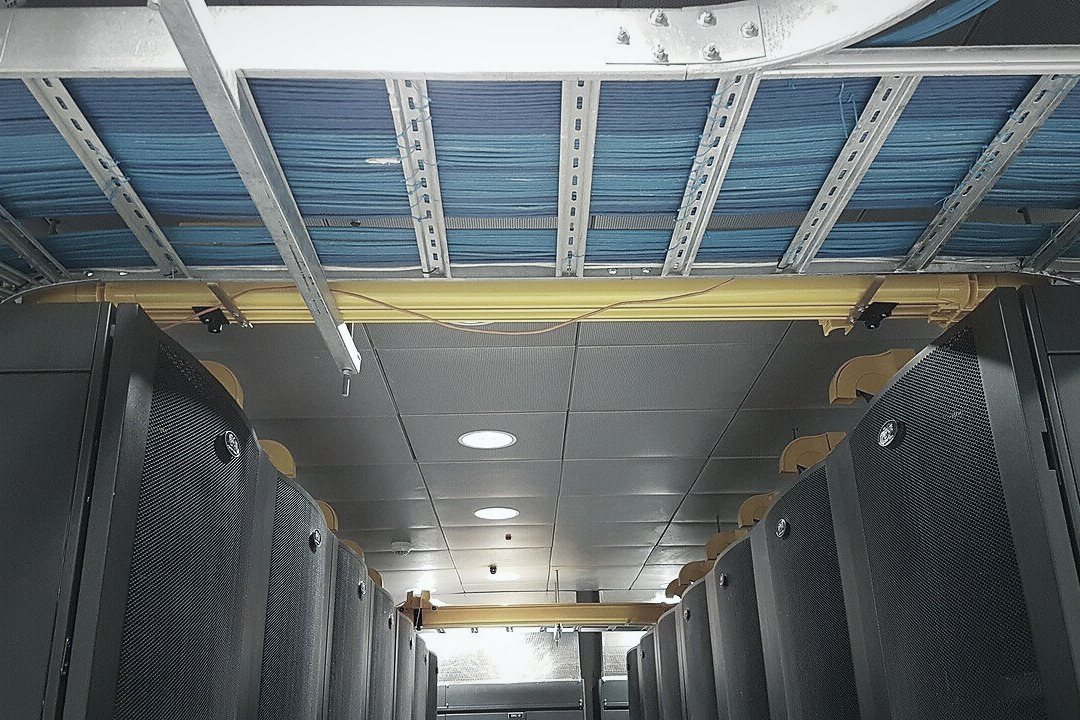
Kham Global is one team for the whole life of a GPU data center. We carry out the technical due diligence and design, supply the optics, cabling, cooling and container data centers, install them on site, and keep the cluster running after handover.
What we provide
 01Consulting and due diligence
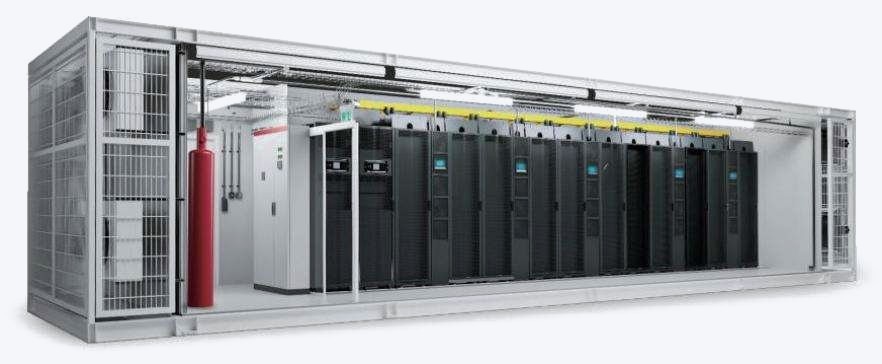
 02Optics, cabling, cooling and modular data centers
 03Integration
 04Installation
 05Managed operations
Photos and drawings are illustrative. Picture credits
- 5Service lines, from consulting to operations
- 16Product categories with full specifications
- 6Markets covered across Asia-Pacific
- 13Projects in our track record →
What we do
Five services that follow the order of a real build
Engage us for one stage or for the whole path. Each stage hands the next a document it can work from.
Data center consulting
Technical due diligence, design review and site selection for investors, lenders, advisory firms and operators.
Consulting → 02Data center solutions
Optics, cabling, cabinets, power, liquid cooling and container data centers, plus edge AI hardware and software.
Solutions → 03Integration services
Parts from many makers engineered into one design: bill of materials, fabric, cabling and facility interface.
Integration → 04Installation and deployment
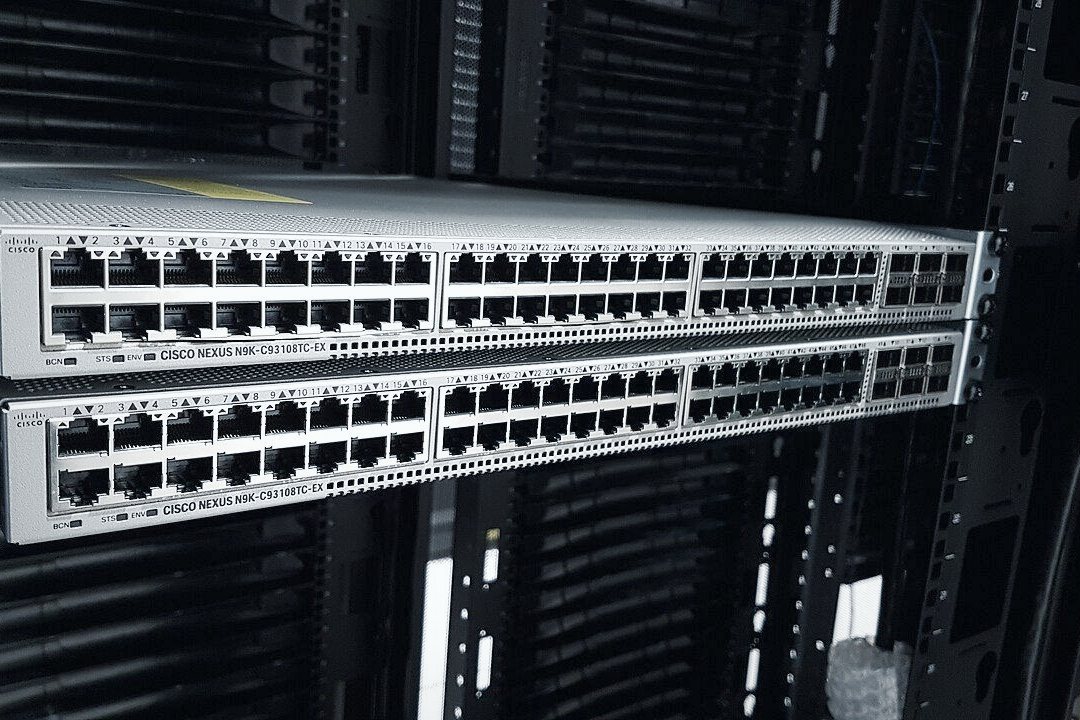
Rack and stack, structured cabling, commissioning and handover on site.
Deployment → 05Managed operations
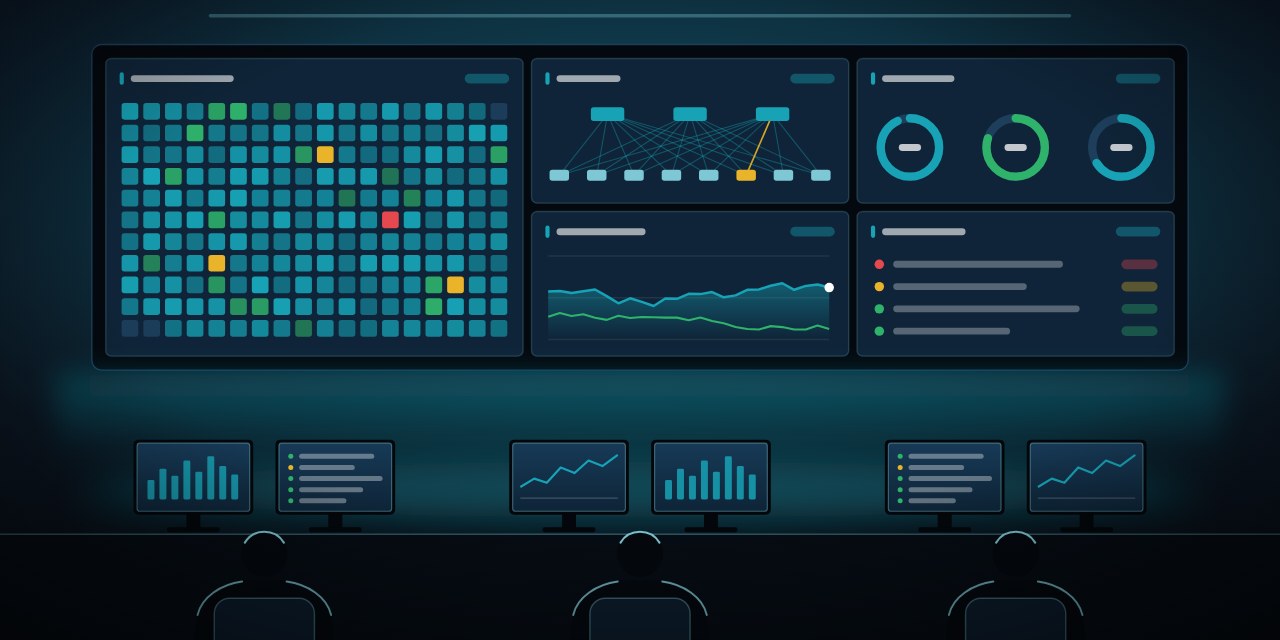
A network operations center and a DevOps team, delivered with our operations partner, to keep the cluster running after handover.
Operations →What we know
A data center is six systems that have to agree
Most problems sit between disciplines: a rack the cooling cannot carry, a date the grid cannot meet, a service level the contract does not back. We work across all six.
Power
The utility connection, redundancy and distribution to the rack, and what a GPU load does to all three.
Cooling
Air, rear-door and direct liquid cooling, sized for the hottest design day.
Network and fiber
Cluster fabrics, structured cabling, carrier routes and cross-connects.
Compute
GPU servers: configuration, health, sustained performance and spares.
Contracts
Colocation, supply and customer agreements, and whether their dates and service levels line up.
Schedule and cost
Long-lead items, cost to complete and the real ready-for-service date.
Who we work for
Four kinds of client, one standard of work
Investors and lenders
An independent view of whether an asset will deliver what its business plan assumes.
GPU cloud and AI operators
A cluster designed, supplied, installed and, where wanted, run.
Data center owners
Advice and equipment to make a hall ready for high-density and liquid-cooled tenants.
Enterprises and integrators
Products checked against the equipment they will be used with, in any quantity.
Solutions
From a single transceiver to a liquid-cooled container pod
Optical connectivity made by Accelink, physical infrastructure made by PROSE Technologies, and edge AI hardware and software built on Intel's platform.
Use cases
GPU clusters, as they are actually built
From a 160-server cluster in a city colocation tower to a liquid-cooled container pod. Each use case sets out the situation, the design decisions and the numbers.
How it fits together
One project, five stages
Consult
Decide what to build and where, or test what someone else has built. Output: a report or a requirements document.
Specify
Choose the optics, cabling, cabinets, power and cooling. Output: a priced bill of materials.
Integrate
Turn the parts list into a design that works. Output: elevations, port map and cable schedule.
Install
Build it, test it and hand it over. Output: an accepted cluster with as-built records.
Operate
Watch it, maintain it and run the platform on top. Output: a monthly service report.
Why Kham Global
The people who review infrastructure also know how to build it
One company from review to handover
Advice, products, design and installation come from one team, so nothing is lost between stages.
Checked against your hardware
Every optic and cable is matched to the switch and NIC models before it is ordered.
Factory-built where it helps
Container and modular data centers arrive assembled, ready to connect on a prepared slab.
Korean and English
Documents are read in the original, and questions go straight to the people who wrote them.
Knowledge center
Working notes on data centers and GPU infrastructure
Guides on sites, power, cooling, networks, contracts and operations, with a glossary of the terms a data center deal runs on.
Tell us what you are building or reviewing
Send a bill of materials, a data-room list or a site address. We reply with scope, a schedule and a quote.
Home / Consulting
Data center consulting
We advise the people who fund, build and run GPU infrastructure. Investors and lenders engage us for technical due diligence, directly or through the international advisory firms we subcontract to. Operators engage us to plan a build before they commit capital.
Four consulting services
For investors and for operatorsTechnical due diligence
A review of a GPU cluster or data center asset ahead of an investment, acquisition or lending decision. It answers one question: will this asset deliver the capacity, on the date, at the cost in the business plan, and keep delivering it under the service levels it has sold?
We read the design, the contracts and the schedule, test them against each other, and say where they disagree. Each finding is tied to a document or an observation on site, and rated by how much it matters to the investment case.
You receive
- A red-flag note early in the review, so serious issues reach the deal team while there is still time to act.
- A written report covering the eight workstreams below, with findings rated by severity.
- An issues list with the conditions or mitigations we would ask for.
- The log of questions put to the target, with the answers received.
Design and requirements
For operators at the start of a build. We turn a commercial target, such as a number of GPUs for a named customer by a named date, into an engineering brief that vendors and colocation providers can price.
The brief is written before the vendor conversations start. When every supplier quotes against the same document, the quotes can be compared line by line, and a gap between one vendor's scope and the next shows up on paper, not on site.
You receive
- A capacity plan: megawatts, rack count, power per rack and the split between liquid and air cooling.
- A network outline: fabric topology, port counts and the optics and fiber plan that follows from them.
- A requirements document for the facility, covering power, cooling, floor loading, containment, cross-connects and delivery access.
- A first bill of materials with long-lead items identified.
Site and colocation selection
A like-for-like comparison of candidate sites or providers against the requirements. Marketing sheets all say the same thing. We compare what the single-line diagram, the cooling schematic and the contract actually commit to.
We compare
- Power available now, and power promised later
- Redundancy as built, against redundancy as described
- Cooling capacity at the rack densities required
- Readiness for liquid cooling
- Carriers on site and route diversity
- Ready-for-service date and what backs it
- Pricing structure and power pass-through
- Service levels, credits and exit rights
Commercial and service-level review
A technical reading of the contracts around a GPU deployment: the colocation agreement below the operator and the customer agreement above it. The aim is that every promise made upward is backed by a promise received from below.
We check
- Whether the customer service level can be met by the facility and the fabric as designed.
- Whether service credits owed to the customer are covered by credits due from the provider.
- What happens to payment and term if the ready-for-service date slips.
- Acceptance criteria: who tests what, and what counts as passed.
- Which maintenance windows and exclusions count against availability.
Technical due diligence
What a review covers: the facility and the GPUs
Two reviews, usually run together. The facility review asks whether the building can carry the load. The GPU review asks whether the machines inside it are what the investor is paying for, and whether they perform.
Facility review
Eight workstreams, scoped to the assetPower and grid
Whether the power the plan depends on will be there.
- Utility connection agreement and energization date
- Redundancy from incomer to rack, and single points of failure
- UPS, generator and fuel autonomy against the IT load
- Permits and grid-impact approvals
Cooling
Whether the heat can be removed at the densities sold.
- Design capacity against rack density, including liquid-cooled racks
- Redundancy and behavior on failure
- Water source, consumption and discharge
- Operating envelope against the local climate
Compute and network
Whether the cluster is the cluster described.
- GPU platform, node count and delivery status
- Fabric topology, oversubscription and optics plan
- Storage and management networks
- Ownership of firmware and the software stack
Connectivity
Whether customers can reach it.
- Carriers on site and route diversity
- Cross-connect and meet-me arrangements
- Latency to the customers the site is meant to serve
- Path to more capacity
Capex and cost to complete
Whether the money is enough.
- Budget structure and contingency
- Bill-of-materials pricing against the market
- Committed against uncommitted spend
- Cost to complete, and exposure to delay
Schedule
Whether the date is real.
- Critical path and long-lead items
- Contractor structure and interfaces
- Commissioning and integrated systems testing plan
- A realistic ready-for-service date
Operations
Whether it can be run to a service level.
- Operating model: in-house, colocation or managed
- Monitoring, maintenance contracts and spares
- Staffing and escalation
- Incident and maintenance records, where the asset is live
Customer contracts
Whether what was sold can be delivered.
- Service-level terms against facility capability
- Service credits and termination rights
- Back-to-back cover from the colocation agreement
- Ramp and acceptance terms
GPU review
Eight workstreams on the servers themselves, where most of the capital sitsAsset verification
Whether the GPUs are there, and are the ones in the documents.
- Model, memory size and count per server
- Serial numbers and firmware on a sample
- Match to purchase, ownership and warranty records
Server configuration
Whether each server is built to the specification.
- Processors, memory, drives and network cards
- Power supply redundancy
- Firmware baseline across the fleet
GPU health
Whether the GPUs are sound.
- Manufacturer diagnostic results
- Memory error counts
- History of thermal throttling
Sustained performance
Whether they run at full speed for hours.
- Burn-in logs: temperature, power and clock frequency
- Data-path bandwidth inside the server
- Tests re-run on a sample, where access allows
Fabric
Whether the cluster works as one machine.
- RDMA bandwidth and latency
- Multi-node collective benchmarks
- Lossless configuration and a long stability run
Service delivery
Whether the operator can deliver what it sells.
- Availability measured per server
- Inference latency: time to first token and between tokens
- Monitoring, failover and incident records
Utilization
Whether the output matches the plan.
- GPU-hours delivered against GPU-hours sold
- Downtime and maintenance records
- Power drawn against power contracted
Compliance
Whether the GPUs can lawfully serve their customers.
- Export licenses
- End-user checks
- Software license entitlements
How we engage
Three formatsDesktop review
Data-room review with written questions to the target. Suited to bid stage, where time is short and site access is not available.
Desktop review with site visits
The same review, tested in the data hall: as-built against design, plant ratings and commissioning records.
Review of an installed cluster
Technical review of a GPU cluster already in service, covering installation quality, configuration and operating evidence.
How a review runs
Five stagesScope
Asset, questions, workstreams and timeline agreed in writing.
Data room
Documents reviewed. Questions sent to the target in batches.
Red-flag note
Serious issues reported as soon as they are established.
Draft report
Full findings issued for comment.
Final report
Comments addressed and the report closed.
What we ask for
A typical data-room list- Electrical single-line diagrams
- Cooling schematics and capacity calculations
- Utility agreements, permits and approvals
- Rack layouts and network topology
- Bill of materials and purchase orders
- Construction and delivery schedule
- Colocation and customer agreements, with service levels
- Commissioning and test records
- Operating and maintenance logs, where the asset is live
- Budget, spend to date and cost-to-complete estimate
Findings
What reviews most often find
Findings repeat from one asset to the next. These are the common ones in each workstream, and what each means for the deal.
| Workstream | Common finding | What it means |
|---|---|---|
| Power | Contracted capacity is lower than the capacity marketed | Revenue is capped by the smaller number |
| Cooling | The hall was designed for lower rack loads than now planned | Retrofit cost and delay |
| GPU servers | The installed configuration differs from the purchase order | Performance and resale value differ from the model |
| Fabric | Marginal links left in service, visible in the error counters | Training runs slow down or fail |
| Schedule | Long-lead items ordered late | The ready-for-service date slips |
| Capex | Cost to complete leaves out commissioning and spares | A funding gap late in the project |
| Operations | No spares on site and no incident history | Availability claims cannot be supported |
| Contracts | Service levels sold are higher than service levels bought | The operator carries the difference |
Our guide to twelve red flags in a data room goes further.
What the report contains
The same structure on every engagement- Executive summary, with the red flags ranked
- The asset, and exactly what was reviewed
- Findings by workstream, each with its evidence
- What each finding means in cost or time
- Capex and cost-to-complete view
- Schedule and ready-for-service view
- Operational readiness
- Open items, and information not provided
What we benchmark against
Published standards, named in the reportTopology
Uptime Institute tier definitions, TIA-942 ratings and EN 50600 availability classes.
Thermal
ASHRAE guidelines for air-cooled and liquid-cooled equipment, and the server maker's own limits.
Network
IEEE 802.3 Ethernet specifications and the transceiver multi-source agreements.
Commissioning
Level 1 to Level 5 test records, read against the design intent.
Korea, read in the original
We work in Korean and English at native level. Utility, permit and contractor documents are reviewed as written, and questions go straight to the people who wrote them.
Independent by rule
We do not review an asset that we, or a related company, designed, supplied, built or operate, and we disclose every commercial tie before an engagement starts. Read our independence statement.
Planning a review or a build?Tell us the asset, the decision it supports and the date you need an answer by.
Discuss an engagementHome / Solutions
Data center solutions
We supply the optical and physical layers of a data center as a matched set: transceivers and optical cables made by Accelink, and cabling, cabinets, power, cooling and container data centers made by PROSE Technologies. We also distribute and resell edge AI hardware and software built on Intel's platform.
Product names, pictures and specifications are the manufacturers' own, summarized from their published ranges and datasheets. Confirm against the current datasheet before ordering. Trademarks and notices
How the parts fit
One 800G link, end to end
Follow one backend port from a GPU server to its leaf switch. Every station on the path is a line on the bill of materials, and each has one detail that decides whether the link comes up. We quote them as a matched set, checked against the switch and NIC models in your design.
Worked exampleBackend port 3 of a GPU server in rack 14, to port 21 of a leaf switch in the network row. 800GBASE-VR8 on OM4 multimode fiber, 35 m end to end.
-
GPU server network card
800G port · OSFP cageHost equipmentOne of eight backend ports on an eight-GPU server, one for each GPU. The cage on the card carries its own heat sink, which is why the module that goes into it has a flat top.
We checkPort speed, cage type and the list of optics the card's firmware accepts.
-
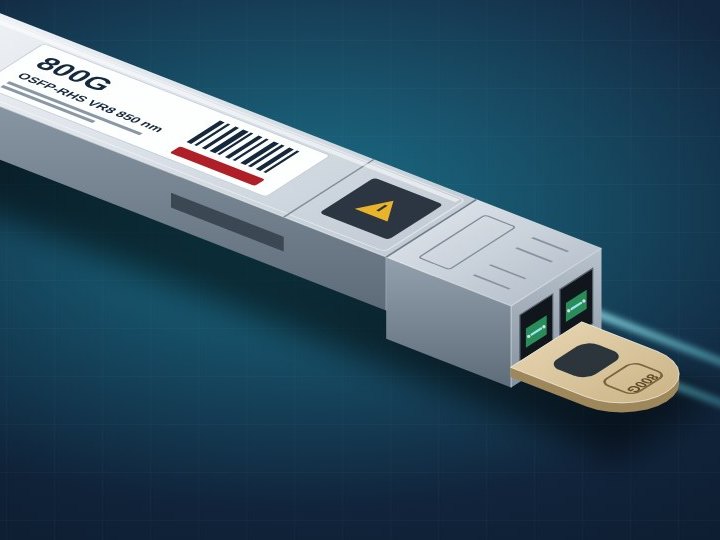
Eight laser lanes at 850 nm, each carrying about 100G. The module draws under 15 W and has two MPO-12 receptacles on its nose: lanes 1 to 4 on one, lanes 5 to 8 on the other.
We checkA flat top for the card, and coding the card will accept.
-
Two cords for every port, one for each receptacle. Eight of the twelve fibers in a cord carry light: four transmit and four receive. The connector faces are angle-polished. A flat-polished cord fits the receptacle, but the link will not meet its loss budget.
We checkPolarity, so each transmit lane lands on a receive lane, and unpinned plugs, because the module carries the pins.
-
Where the rack's cords meet the permanent cabling. Every port is labeled with both ends of its link, so a failed link is traced at the panel and not by following a cord through the tray. This is the one mated connection in the channel, and it uses part of the loss allowance.
We checkPort count from the port map, plus spare positions.
-
Terminated and tested at the factory, then pulled through the overhead tray to the network row, where its two legs plug into the switch-side module. It is ordered to the routed length plus slack, because this optic stops at 50 m on OM4 and 30 m on OM3.
We checkRouted length from the tray drawings, and a jacket rating that meets the site's fire code.
-
The same optics as the NIC end in a different case. A switch cage has no heat sink of its own, so this module carries fins and is cooled by the switch's airflow.
We checkA finned top for the switch, and coding the switch software will accept.
-
Leaf switch
800G port · OSFP cageHost equipmentOne port on the leaf switch that serves this group of racks. The switch reads temperature and optical power from every module, which is how a weak link is found before it drops.
We checkThe port against the cabling schedule, and the lane mapping set on the switch.
What has to add up
- 8 × 100G
- Lanes in each direction, PAM4 at 850 nm.
- 16 fibers
- Lit per link: eight in each of the two MPO-12 connectors.
- 35 m of 50 m
- Routed length against the limit on OM4. On OM3 the limit is 30 m, and this link would not run.
- 1.8 dB
- For fiber and connectors, per lane: the gap between the weakest launch, −4.6 dBm, and the weakest signal the receiver accepts, −6.4 dBm.
Send the bill of materialsOr send only the switch and NIC models and the node count. We return a line-by-line schedule: part, quantity, form factor, reach, fiber type and connector.
Request a quoteHome / Integration
Integration services
A GPU cluster is built from parts made by many companies: servers from one, switches from another, optics, fiber, cabinets and cooling from four more. Integration is the engineering that turns those parts into one design that works on the first power-up.
What we integrate
Five scopes, taken together or one at a timeMulti-vendor bill of materials
Every vendor quotes its own part of the cluster and nobody quotes the gaps between them. We consolidate the quotes into one schedule and check that the counts agree: every port has an optic, every optic has a cord, every cord has a panel position.
- Server, switch, NIC, optic, cable, cabinet and PDU lines reconciled against the topology.
- Substitutions and end-of-life parts identified before they are ordered.
- Spares policy agreed and added to the schedule.
- Long-lead items flagged, with the order date each one needs.
Fabric and cabling design
The network drawn to the level an installer can build from. A topology diagram says which switch connects to which. A cable schedule says which port, with which optic, over which cord, of what length, carrying which label.
- Leaf and spine topology with a complete port map.
- Rack elevations for compute, network and storage racks.
- Trunk and patch panel plan, with spare capacity stated.
- Cable schedule with routed lengths and a labeling scheme.
Power and cooling per rack
Rack by rack, the electrical and thermal load the facility has to carry. This is the document the colocation provider signs off, and the one that decides PDU models and coolant flow.
- Power budget per rack, built up from the measured draw of each device.
- PDU selection, connector types and phase balance.
- Split between liquid-cooled and air-cooled heat, and the flow each rack needs.
- Rack weight against cabinet rating and floor loading.
Facility interface
The line between what the operator brings and what the facility provides, agreed before equipment ships. Most delays on site trace back to an interface nobody owned.
- Demarcation of scope with the colocation provider, item by item.
- Power feeds per rack, breaker ratings and energization dates.
- Containment, cable routes and cross-connects to the meet-me room.
- Delivery route, lifting and staging for heavy GPU nodes.
Cluster and cloud platform
The work between hardware that powers on and a service a customer can use.
- Management and out-of-band network design.
- Firmware baseline across servers, NICs and switches.
- Cluster bring-up and platform configuration.
- Operating runbooks for the first day of service.
Six decisions behind every design
Each is written down, with the reason| Decision | Options | What decides it |
|---|---|---|
| Rack density | One, two or more GPU servers per rack | What the hall can cool and the floor can carry |
| Fabric topology | Leaf and spine sizes, rail-optimized or not | Cluster size, switch port count and the growth plan |
| Optics and media | Multimode, single-mode or copper | Link lengths, cost per link and the next speed |
| Cabling plant | Point to point, or trunks and panels | The number of links, and how often they will change |
| Power feeds | Feed mapping and rack PDU type | The facility's redundancy and the server's power supplies |
| Cooling interface | Containment, rear-door or direct liquid | Rack load, and what the facility provides |
Deliverable
A cable schedule, line by line
The cable schedule is where an integration either holds together or does not. Each row names both ends of a link, both optics, the cord between them and the label it will carry. The rows below are illustrative.
| Label | From | To | Optic, near end | Optic, far end | Cord | Length |
|---|---|---|---|---|---|---|
| N014-L03-07 | Node 014, NIC port 1 | Leaf 03, port 7 | 800G OSFP VR8, flat top | 800G OSFP VR8, finned top | 2 × MPO-12/APC, OM4 | 7 m |
| L03-S01-49 | Leaf 03, port 49 | Spine 01, port 3 | 800G OSFP DR8, finned top | 800G OSFP DR8, finned top | 2 × MPO-12/APC, OS2, via panels | 38 m |
| N014-M02-14 | Node 014, management port | Management switch 02, port 14 | None | None | Cat6A patch cord | 3 m |
The design pack
What integration hands to installation- Network topology drawing
- Rack elevations
- Port map
- Cable schedule
- Optics schedule, by host and cage type
- Rack power and cooling budget
- Labeling scheme
- Acceptance test plan
Checked on every link
Four questions before anything is orderedCage and heat sink
Flat top or finned top, port by port, for every switch and NIC model.
Breakout
Whether the switch delivers 400G natively or by splitting an 800G port.
Fiber and connector
Multimode or single-mode, APC or UPC, MPO-12 or MPO-16.
Reach and loss
Link length and mated pairs against the optic's loss budget.
Have quotes from several vendors?Send them with the topology. We return one reconciled schedule and a list of what does not fit.
Discuss integrationHome / Deployment
Installation and deployment
We install what the design specifies and prove it works before handover. Engage us for a full deployment or for a single work package.
On-site work packages
Contracted separately or togetherServer installation
GPU and general-purpose servers taken from the loading dock to a powered, addressable state.
- Deliveries received, inspected and counted against the bill of materials.
- Rails installed and servers mounted to the rack elevation.
- Power cords connected to the PDUs following the phase plan.
- Management ports connected and addressed.
- Firmware brought to the agreed baseline.
- Burn-in under load, with failures logged and replaced.
Structured cabling installation
The fiber and copper plant built to the cable schedule, so that every link can be found, tested and replaced later.
- Trays and fiber raceway installed on the agreed routes.
- Trunks pulled and dressed, with bend radius protected.
- Panels and cassettes mounted and populated.
- Patch cords run to the schedule.
- Every connector end face inspected, and cleaned where needed, before mating.
- Both ends of every cable labeled.
Commissioning and acceptance
Evidence that the cluster performs as designed, gathered against criteria agreed before testing starts.
- Optics inserted and every link brought up at its rated speed.
- Optical power levels read from each module and compared with its limits.
- Error counters watched over a soak period.
- Fabric validated end to end against the port map.
- GPU nodes run under load.
- Issues logged, fixed and retested.
Handover
A cluster is handed over with the records needed to operate it.
- As-built rack elevations and cable schedule.
- Test results for every link and every node.
- Asset list with serial numbers and locations.
- Operating runbooks.
- Open-items list, with an owner and date for each.
- Walk-through with the operator's team.
How an installation runs
Five stagesSurvey
Site readiness checked against the design.
Receive
Deliveries inspected and counted against the bill of materials.
Install
Rack, stack, cable and label to the schedule.
Commission
Link verification, burn-in and acceptance tests.
Hand over
As-built records and runbooks to the operator.
Five levels of commissioning
What the facility proves before the cluster's own tests begin| Level | What happens | Record kept |
|---|---|---|
| Level 1 | Equipment is tested at the factory before it ships | Factory test reports |
| Level 2 | Equipment is checked on delivery and after installation, against the drawings | Inspection sheets |
| Level 3 | Each unit is energized and started on its own | Start-up records |
| Level 4 | Each system is run through its normal and failure sequences | Functional test results |
| Level 5 | The whole facility is tested together, including loss of utility power | Integrated systems test report |
These are the facility's levels, and we ask for the records before installation starts. The cluster then has tests of its own: burn-in, fabric validation and acceptance, set out in our acceptance guide.
What we need on site
Agreed at the survey- Access passes and site inductions for the team
- Power-on date for each rack position
- A staging area for unpacking and inspection
- Lifting equipment rated for GPU nodes
- The facility's rules for work in live halls
- A named contact with authority to accept tests
Equipment arriving soon?Tell us the site, the node count and the date the first rack is powered. If the cluster also needs running after handover, see managed operations.
Plan a deploymentHome / Operations
Managed operations: NOC and DevOps
A cluster starts earning on the day it is handed over, and only for as long as it stays up. We offer day-to-day operation of AI infrastructure, delivered with our operations partner: a network operations center that watches the hardware around the clock, and a DevOps team that runs the platform on top of it.
Two operations services
Taken together or one at a timeNetwork operations center
The NOC watches the cluster and the facility around it at all hours, and acts on what it sees. Its job is to notice a failing part before a customer does, and to have the replacement in hand when it fails.
Scope
- Monitoring around the clock at five levels: infrastructure, servers and network, operating system, application and business.
- Proactive alerts and automated escalation by phone call, SMS and messaging apps, with a named owner for each incident.
- Incident management through to a written root-cause report.
- Hardware maintenance: warranty claims with the manufacturer, on-site spares, firmware and BMC updates.
- Coordination with the data center on power, cooling, cross-connects and remote hands.
- A monthly service report: availability, incidents, utilization and capacity.
DevOps and platform operations
DevOps runs the software between powered hardware and a service a customer can use: the scheduler, the clusters, the serving stack and the tools that measure them. It is the difference between GPUs that are switched on and GPUs that are sold.
Scope
- Kubernetes and GPU scheduler operation, with bare-metal and virtual machine provisioning.
- Model serving and inference endpoints: replicas, automatic failover and latency monitoring.
- Release and change management, with a tested rollback for every change.
- Observability: metrics, logs, dashboards and the alert rules the NOC acts on.
- Platform security: access control, patching and audit logs.
- Tenant onboarding, usage metering and reporting.
Delivered with our operations partner
Operations services are delivered by Kham Global's operations partner, which runs its own GPU cloud service and supports clusters for other operators in the region. Kham Global scopes the service with you, and the service agreement names who delivers each part. The partner is a related company; our independence statement explains what that means for advisory work.
Coverage
Monitoring at five levels, from the building to the business
A fault rarely stays where it starts. A warm aisle becomes a throttled GPU, then a slow endpoint, then a missed service level. The NOC watches all five levels together, so the first sign is the one that gets acted on. These are the usual signals; the list for a given cluster is agreed at handover.
-
Infrastructure
Power, cooling and the room around the racks.
Power
Rack and row power draw against the contracted limit, the balance between the A and B feeds, breaker load
Caps server power before a limit is reached, and raises it with the data center
Cooling
Inlet temperature and humidity, coolant flow, supply and return temperature, leak sensors
Raises it with the data center, and moves or caps load if the room keeps warming
-
Servers and network
The hardware that does the work, and the links between it.
GPU servers
Temperature, power draw, memory errors, GPU fault codes, fans and power supplies
Drains the node, swaps in a spare and opens a warranty claim
Fabric
Link state, error counters, optical power, congestion
Isolates the link and has the optic or cable cleaned or replaced
Storage
Capacity, throughput, drive health
Rebalances, then replaces the drive
-
Operating system
The software every node boots into.
Host health
Processor, memory and disk use, system services, kernel and GPU driver errors, clock synchronization
Restarts the service, or rebuilds the node from the standard image
Access and change
Logins, configuration drift, patch level
Revokes access, patches and records the change
-
Application
The platform and the services your customers call.
Platform
Node readiness, scheduler queues, failed jobs
Restarts or reschedules the workload, and returns a node to the pool only after it passes its checks
Endpoints
Latency and error rate, test requests sent from outside the cluster, certificate expiration
Fails over, adds replicas or rolls back the last release
-
Business
What the customer is paying for.
Service levels
Availability and response time against each service agreement, and the margin left in the month
Warns the service manager and the customer before a target is missed
Usage and capacity
GPU-hours delivered, utilization by tenant, metering and billing runs, capacity headroom
Flags idle capacity, a tenant close to its limit, or a billing run that does not reconcile
Proactive intervention and alerts
Acting before a fault becomes an outageA warning before the limit
Every signal has a warning level set below its limit, so an alert arrives while there is still time to act.
Trends as well as thresholds
A rising error count or a slowly falling optical power is acted on as a trend, before it crosses any line.
One incident, not a hundred alarms
Alarms from different levels that share a cause are grouped into one incident with one owner.
First moves that do not wait
Actions agreed in the runbook run on their own: drain a failing node, fail over an endpoint, cap power on a hot rack.
Automated escalation
Who is contacted, how, and what happens if nobody answersAn alert that nobody sees protects nothing. The escalation chain runs on its own clock: it contacts the right people by phone call and by message, waits a set time for an acknowledgment, and moves up a level if none comes.
| Step | Who is contacted | When | How |
|---|---|---|---|
| First call | The on-call engineer for the affected level | As soon as the incident opens | Automated phone call, with an SMS and a messaging-app alert at the same time |
| Second line | The second on-call engineer and the specialist for hardware, network or platform | If the alert is not acknowledged in the set time | Automated phone call and messaging app |
| Management | The team lead and the service manager | If the incident outlasts its target time | Phone call |
| Customer | Your named contacts | When the incident opens, at agreed intervals and when it closes | The channels you choose: phone, email, messaging app or status page |
Every call, message and acknowledgment is time-stamped in the incident record. Contact lists, channels and waiting times are agreed at handover and tested before go-live.
From alarm to root cause
How an incident runsDetect
Monitoring raises the alarm, usually before the service is affected.
Triage
The NOC sets a priority and names an incident owner.
Engage
The right engineer joins: hardware, fabric or platform. The customer is told what is known.
Restore
Service comes back first, by a spare swap or a failover. The repair follows.
Review
A written report states the root cause and what changes because of it.
Three priority levels
Response and update times are set in each service agreementP1: critical
A service-wide outage, a sustained breach of performance targets, or a security incident.
P2: high
Partial degradation: some requests fail or slow down, but the service is up.
P3: normal
Non-critical faults, configuration changes, reports and questions.
Changes without surprises
Four rules for every maintenance windowA written procedure
Every planned change has a step-by-step procedure, confirmed in writing by both sides before the window opens.
Specialists on standby
The engineers a change might need are named in the plan and on call for the whole window.
Priority until restored
After maintenance, support stays at the highest priority until every workload is back.
Escalation on a clock
An incident that outlasts its target goes to senior engineering without waiting to be asked.
Three ways to engage
Chosen by who runs the platformFully managed
Our operations partner runs the hardware and the platform under a service-level agreement. You receive capacity, or tokens, and a monthly report.
Co-managed
Your team runs the platform. The NOC watches hardware, fabric and facility, and handles maintenance.
Operations readiness
For teams that will run it themselves: monitoring set-up, runbooks, training and a supported first few months.
What gets measured
Six measures in the monthly report| Measure | What it means | Reported |
|---|---|---|
| Availability | Share of contracted capacity in service | Monthly, against the commitment |
| Time to acknowledge | From an alarm to a named owner | For each incident |
| Time to restore | From an alarm to service back | For each incident, and as a monthly average |
| Change success | Planned changes completed without a rollback or an incident | Monthly |
| Utilization | Share of available GPU time in use | Monthly, by tenant |
| Spares cover | Parts on site against the agreed list | Monthly |
What you receive
Under any of the three- Access to monitoring dashboards and a status page
- A monthly service report
- Incident reports with root cause and corrective actions
- An asset register and hardware lifecycle report
- Runbooks and standard operating procedures
- A capacity and utilization forecast
Need someone to run it after handover?Tell us the cluster size, the site and whether your team will run the platform.
Discuss operationsHome / Company
About Kham Global
AI infrastructure, built with care and built to last
Kham Global is a Singapore company that advises on, supplies, integrates and installs the infrastructure behind GPU computing, and keeps it running with its operations partner.
- 2024Incorporated in Singapore
- 5Service lines, from consulting to operations
- 6Markets covered across Asia-Pacific
- 13Projects in our track record →
Our vision
AI capacity across Asia-Pacific that performs exactly as promised: on the date, at the density, at the service level.
Our mission
To advise on, supply, integrate, install and run the infrastructure behind GPU computing, and to build every project to the standard we would apply if we were reviewing it.
Who we are
Reviewers who build. Builders who review.
Kham Global works on both sides of an AI infrastructure project. Investors and lenders engage us to test whether a GPU cluster or data center will deliver what its business plan says. Operators engage us to design, supply and install one that does.
Doing both keeps each honest. The questions we ask in a due diligence are the ones we have had to answer on site, and what we install is built to pass the review we would give it.
Principal-led
The person who scopes an engagement is the person who carries it out, so questions go to someone who has read the documents and stood in the hall.
One path from review to operations
Advice, products, design, installation and day-to-day operation are planned as one path, so nothing is lost between stages.
Korean and English
We work in Korean and English at native level. Documents are read as written, and questions go straight to the people who wrote them.
Craftsmanship
The work nobody sees is the work that keeps a cluster running
A GPU cluster has thousands of connections, and one bad link can hold back a whole training run. We hold every one of them to the same six standards.
Drawn before it is built
Rack elevations, port maps and a line-by-line cable schedule exist before the first cable is pulled.
Inspected before it is mated
Every connector end face is inspected, and cleaned where needed, before it goes into a port.
Dressed and labeled
Cables are routed with their bend radius protected and labeled at both ends, so any link can be found and replaced later.
Measured, link by link
Optical power is read from every module and compared with its limits. Error counters are watched over a soak period.
Proven under load
GPU servers are burned in and the fabric is validated end to end. Issues are logged, fixed and retested before handover.
Recorded as built
As-built elevations, cable schedules, test results and asset lists are handed over with the cluster.
What we do
Five service lines, one path
Engage us for one stage or for the whole path. Each stage hands the next a document it can work from.
Experience
Designed, built and operated across Asia-Pacific
Work carried out by our team and our operations partner, with the stage each project has reached. Client, customer and facility names are withheld.
From a bare site to a buildable design
- A large container data center campus, phased by power availability. Korea. In planning.
- A modular AI data center on a compact industrial site. Korea. In planning.
- Micro-modules for high-density GPU servers beside an existing data center. Indonesia. In planning.
From a bill of materials to an accepted cluster
- A multi-megawatt GPU cluster in a colocation data center. Indonesia. In delivery.
- A dedicated inference cluster with live spare servers. Korea. In planning.
- GPU cloud zones for our operations partner's own cloud service. Korea and the Philippines. In service.
From handover to a service that stays up
- A self-service GPU cloud: bare metal, virtual machines and managed Kubernetes. In service.
- Day-two support for a telecom operator's cloud platform. Southeast Asia.
- A managed inference service on a dedicated cluster. Korea. In planning.
Where we work
Based in Singapore, working across Asia-Pacific- SingaporeRegistered office
- IndonesiaProject experience
- MalaysiaProject experience
- KoreaProject experience
- PhilippinesProject experience
- VietnamCoverage
Manufacturers and partners
Whose products and services we supplyAccelink
Optical connectivity: data center transceivers, active optical cables and optical components.
PROSE Technologies
Physical infrastructure: cabling, cabinets, power, cooling, and modular and container data centers.
Intel platform partners
Edge AI hardware and software built on Intel's platform, with applications from Intel's software partners.
Operations partner
The network operations center and DevOps team behind our managed operations service.
The manufacturers are separate companies from Kham Global, and their product names and trademarks remain their own: see trademarks and notices. Our operations partner is a related company: see our independence statement.
Company details
Registered in Singapore- Legal name
- Kham Global Pte. Ltd.
- UEN
- 202415265D
- Incorporated
- April 17, 2024, Singapore
- Office
- 9 North Buona Vista Drive, #02-01 The Metropolis, Singapore 138588
- Coverage
- Singapore, Malaysia, Indonesia, Korea, the Philippines, Vietnam
- Services
- Consulting, solutions, integration, deployment, operations
Build it once. Build it right.Tell us what you are building or reviewing, and the date it has to work.
Start an inquiryIndependence and conflicts of interest
Kham Global reviews AI infrastructure for investors and lenders. It also supplies, builds and helps operate it. Anyone relying on one of our reports needs to know which of those we were doing, and for whom. This page sets out the rule we work to and the relationships we disclose.
The rule
We do not review what we, or a company related to us, designed, supplied, built, operate or stand to gain from.
Why it matters
A due diligence report is worth only as much as the independence of the people who wrote it.
Disclosure
Our relationships, stated plainly
These are the commercial ties a client should weigh before engaging us for a review.
Operations partner: a related company
Kham Global's principal is also a director of the group that delivers our managed operations service, and holds an interest in it. That group and its affiliates build and operate GPU infrastructure and sell GPU capacity in Asia-Pacific. We name it in the written conflict statement that goes with every review proposal.
Manufacturers: commercial ties
We supply products made by Accelink and PROSE Technologies, and resell edge AI hardware and software built on Intel's platform. We earn a margin on what we sell. They are separate companies from us.
Advisory firms: who engages us
Investors and lenders engage us directly. Advisory firms also engage us as a technical subcontractor on their mandates. Either way, the check below is completed before we accept.
Reviews we decline
Three cases, with no exceptionsOur own work
An asset that Kham Global designed, supplied, installed or operates.
A related company's work
An asset that our operations partner or its affiliates designed, built, own or operate.
A deal we are part of
A transaction in which we, or a related company, are the buyer, the seller, a bidder or a financier.
Relationships we disclose
The client decides whether we proceed- A related company operates in the same market as the asset under review.
- A related company is a customer, tenant or supplier of the asset or its owner.
- The asset uses products from manufacturers we supply.
- We have quoted, or been asked to quote, for work at the asset.
- We have advised another party on the same asset before.
- Someone on the review has worked for the asset's owner or operator.
Each is disclosed in writing before the engagement starts, and the disclosure is repeated in the report.
How the check runs
Before every review engagementCheck
We compare the asset, the parties and the vendors with our own work and with that of related companies.
Disclose
Anything we find goes to the client in writing, with the proposal.
Decide
We decline if one of the three cases applies. Otherwise the client decides, with its advisor where it has one.
Record
The report carries a conflict statement. If the parties change during the work, we check again.
During and after a review
Four working rulesFees fixed in advance
Advisory fees are fixed or time-based and agreed before work starts. They do not depend on the deal closing or on what the report says.
Findings, not a sales pitch
Findings are written as requirements. A report does not name our products or services as the remedy.
Follow-on work kept separate
If a client wants us to supply or fix something a review found, that is a new engagement, requested by the client after the report is final.
Review information stays put
Documents and data received for a review are used for that review only. They are not passed to our supply or operations work, or to a related company.
In practice
Five situations, and what we do
| Situation | What we do |
|---|---|
| An investor asks us to review a cluster that our operations partner operates | We decline, and say why. |
| A lender asks us to review a data center where a related company is a tenant | We disclose it in writing. The lender decides whether we proceed. |
| A review finds that the fiber plant needs replacing | The report states the requirement. A quote from us would be a separate request, made after the report is final. |
| An operator we once advised becomes the subject of a review | We disclose the earlier work. The client decides. |
| An operator wants one team for design, supply, installation and operations | That is a build engagement, not an independent review. The proposal says so, and nothing we produce is offered as an opinion for a third party to rely on. |
This statement was last updated in November 2026.
Considering us for a mandate?Send the asset, the parties and the vendors involved. We reply with a written conflict statement before any proposal.
Request a conflict checkHome / Trademarks and notices
Trademarks and notices
This site names other companies' products, because we supply them, and other organizations' standards, because we work to them. This page says whose those names are and how we use them.
Whose names these are
Trademarks and registered trademarks of their owners| Names | Owner | Where they appear on this site |
|---|---|---|
| Accelink | Accelink Technologies Co., Ltd. | Optical transceivers, cables and components |
| PROSE | PROSE Technologies | Cabling, cabinets, power, cooling and modular data centers |
| Intel, Intel Core, Xeon, Arc, OpenVINO, Geti | Intel Corporation or its subsidiaries | Edge AI hardware and software |
| NVIDIA, HGX, ConnectX | NVIDIA Corporation | GPU servers and network adapters that our products are used with |
| Kubernetes | The Linux Foundation | Operations pages and guides |
| InfiniBand | InfiniBand Trade Association | Network guides and the glossary |
| Uptime Institute and its Tier classifications | Uptime Institute | Consulting pages and guides |
| ASHRAE, IEEE and TIA | The standards bodies named | Consulting pages and guides |
| Other hardware and software makers on the edge AI pages | Their respective owners | Edge AI hardware and software |
All other company, product and standards names on this site are trademarks or registered trademarks of their respective owners.
Our own name
Kham Global and the Kham Global logo are marks of Kham Global Pte. Ltd., a company registered in Singapore (UEN 202415265D).
How we use other owners' names
Four rulesTo identify
We name another company's product to say what we supply, what our products work with, or which standard we refer to.
No endorsement implied
Naming a company does not mean that it sponsors, endorses or certifies Kham Global or this site.
Compatibility is our statement
Where a product is described as working with another maker's equipment, that is a statement about interoperability made by us, not by that maker.
Standards are cited, not certified
Tier levels, ratings and classes are cited as published classifications. Kham Global does not issue certifications under them.
Pictures, specifications and text
Who owns what on this site- Product pictures and drawings come from the manufacturers' materials and remain theirs.
- Photographs marked "Illustrative photo" are used under free licenses, listed in the picture credits.
- Specifications are taken from manufacturers' published data and can change. Confirm against the current datasheet before ordering.
- The text of this site is © 2026 Kham Global Pte. Ltd. All rights reserved.
Is one of these names yours?If its use or attribution on this site should change, tell us and we will correct it.
Contact usHome / Inquire
Start an inquiry
Tell us what you need and the page writes the inquiry for you. Copy the text and send it by email. For a product quote, include the switch and NIC models and the node count.
- Office
- Kham Global Pte. Ltd.
9 North Buona Vista Drive, #02-01 The Metropolis, Singapore 138588
Home / Use cases
Use cases
How GPU clusters, and the facilities around them, get designed, built, operated and reviewed in practice. These come from projects carried out by our team and our operations partner across Asia-Pacific. Client, customer and facility names are withheld.
The full track record
These use cases are the longer write-ups. Every project our team and our operations partner have designed, built, operated or reviewed is listed, at a high level, in the track record.
Planning a cluster of your own?Tell us the site, the server count and the date. We reply with the questions that decide the design.
Start an inquiryHome / Track record
Track record
Projects that our team and our operations partner have designed, built, operated or reviewed across Asia-Pacific. Each is described at a high level, with the part we played and the status of our work. Client, customer and facility names are withheld.
- 8Projects with a design role
- 3Projects with a build role
- 3Projects with an operations role
- 3Independent and buy-side reviews
The last column is the status of our own work on each project. A design, concept or plan marked delivered has been handed over; the facility itself may still be in construction or in planning. Some projects carry more than one role.
Want more detail?
Most of these projects are written up as use cases, with the design decisions and what was delivered.
Planning a project of your own?Tell us the site, the scale and the date. We reply with the questions that decide the design.
Start an inquiryHome / Knowledge center
Knowledge center
How data centers and GPU clusters are planned, financed, built and run. 18 guides in 6 topics, a glossary of 96 terms and 22 answered questions, written from the projects we work on.
Glossary
The vocabulary of a data center deal, in plain language
From 2N to WUE: the terms that appear in data rooms, contracts and design reviews, each explained in a sentence.
Open the glossaryFAQ
Frequently asked questions
About our services, due diligence, data centers and operations. If your question is not here, send it with your inquiry.
Ask a questionHome / Knowledge center / Glossary
Glossary
The terms that appear in data center data rooms, contracts and design reviews, each explained in a sentence.
No term matches. Try a shorter word.
A term we have not covered?Send it with your inquiry and we will answer it.
Ask a questionHome / Picture credits
Picture credits
Product pictures and drawings come from the manufacturers' documents. The photographs listed here are from Wikimedia Commons and are used under the licenses shown. A photograph marked as illustrative shows the type of product, not a specific model we supply.
| Used for | Photograph | Author | License |
|---|
Photographs have been resized, cropped and color-graded to a common look. Manufacturer pictures and drawings have been placed on a uniform background, and the operations room and the transceiver illustration are our own drawings. Where a license requires it, these adapted versions are available under the same license.